Why databases are not backends for vibe coding platforms
November 14, 2025
6
minute read

Tomas Halgas
Founder & CEO
Vibe coding platforms exist to help people ship software quickly. That is the promise, and it is a powerful one. When someone can go from an idea to a working app in minutes, it feels almost magical.
To make that magic possible, most platforms rely on a database-first backend. Tools like Supabase make it easy to store data, wire up authentication, and expose an API with almost no setup. For early demos and internal prototypes, this approach works well. Data flows, screens update, and users feel productive immediately.
The problem is that most apps do not stay prototypes for long.
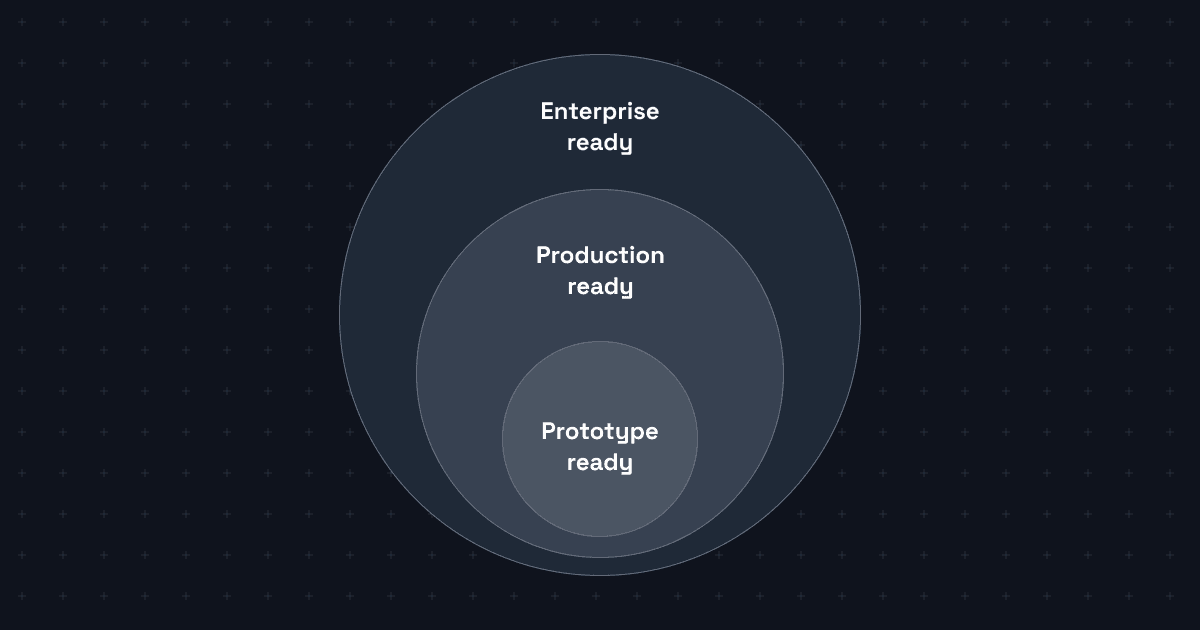
As soon as real users show up, as soon as money is involved, and as soon as usage becomes unpredictable, platforms built on “just a database” start to feel fragile. At that point, the issue is no longer about how fast someone can build. It is about whether what they built can survive contact with the real world.
The layer most vibe coding stacks are missing
At the heart of this problem is a quiet misunderstanding of what a backend actually is.
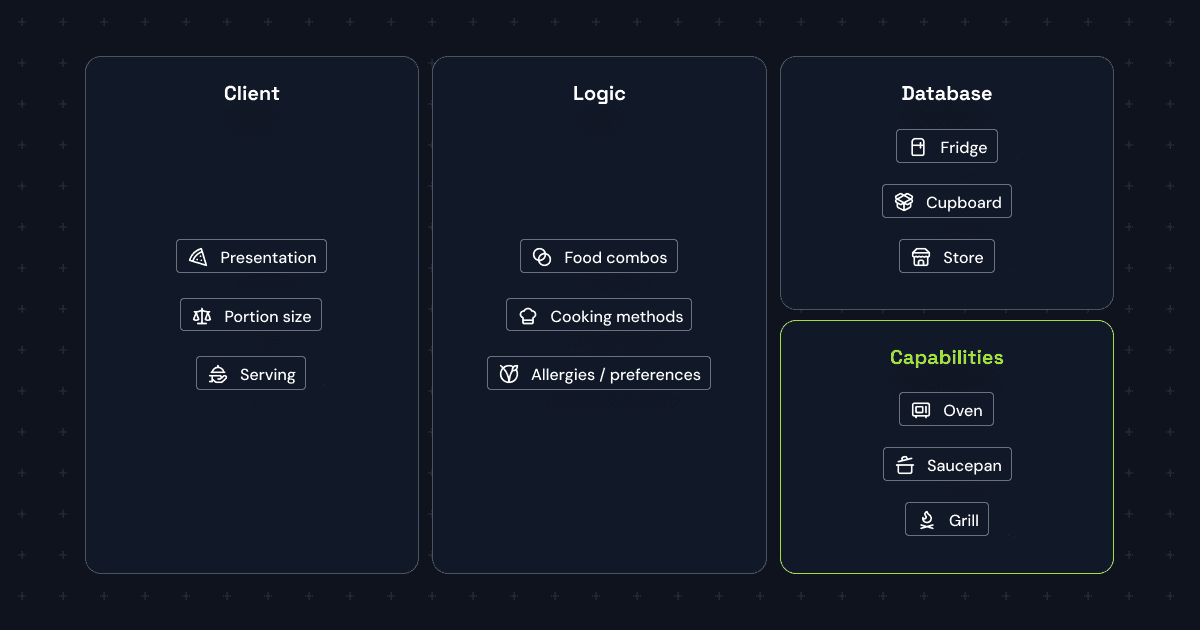
A database is very good at one thing: storing and retrieving data. It is essentially a very powerful spreadsheet with constraints and indexes. What it is not good at is making decisions.
A proper backend adds a layer above the database that exists solely to make those decisions. This is where business logic lives. It is where the system determines whether an action is allowed, how different pieces of data relate to each other, and what should happen when something goes wrong.
That logic typically covers things like:
Access rules and permissions
Multi-step workflows that must succeed or fail together
Relationships between records that need to stay consistent over time
Integrations with external systems like payments, messaging, or analytics
When this layer does not exist, those decisions end up in the client, or the browser or mobile app. The client is trusted to behave correctly, send the right requests, and enforce the rules.
That trust does not hold up for long.
Why database-first architectures break down
For a single developer hacking on a side project, trusting the client might feel acceptable. For a vibe coding platform, it is a structural risk.
Once apps talk directly to the database, the database has very little context. It does not truly understand intent. It cannot distinguish between a legitimate user action and a crafted request that happens to look valid.
Over time, platform teams start seeing the same issues surface again and again. Users discover they can access data they should not see. Actions that were meant to be restricted become possible with a little inspection. Automated scripts start hitting endpoints that were never designed to handle that kind of traffic.
At that point, it stops feeling like an individual app problem. It feels like a platform problem.
The same thing happens with data consistency. Early apps are simple, but real apps rarely are. Actions become multi-step. Records depend on one another. Rules evolve as products mature. Without a backend enforcing these rules in one place, data slowly drifts into broken states. Records are partially created. Related data goes missing. Fixing one issue introduces another.
These failures are rarely isolated. They tend to affect many users at once, and they are notoriously difficult to clean up after the fact.
Reliability follows a similar pattern. Real usage introduces retries, flaky networks, traffic spikes, and third-party failures. Without a backend to absorb that chaos, errors leak straight into user-facing behavior. Users get stuck. Data ends up half-written. Trust erodes.
Again, from the outside, this does not look like an app issue. It looks like a limitation of the platform.
Why Supabase feels like a backend until it doesn’t
Supabase is often described as a backend, but architecturally it is closer to a very capable database with a thin access layer on top. That is not a flaw. It is exactly why it seems so effective early on.
It gives developers a place to store data, built-in authentication, and a simple way to read and write records. That makes it incredibly fast to get something working.
Where it starts to struggle is in expressing intent and control.
Supabase can answer questions about data. It has a much harder time answering questions about workflows. Rules like whether an action is allowed right now, whether several changes must happen together, or how to recover when part of a process fails are difficult to express cleanly.
Those are not data-storage questions. They are decision-making questions.
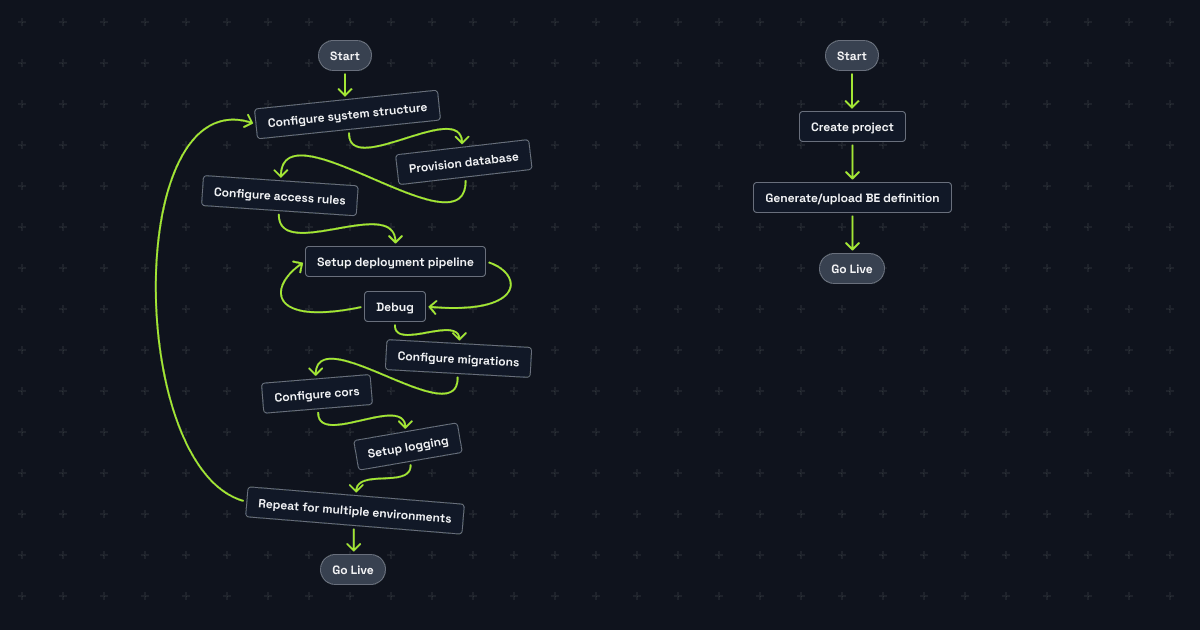
As a result, many teams start with Supabase to move quickly and then run into a wall. They realize they need real backend logic, but by then their architecture is already shaped around database-first assumptions. Rebuilding becomes expensive, and platforms end up supporting increasingly complex workarounds.
Supabase is a good database. It just should not be mistaken for the part of the system that thinks.
What this means for vibe coding platforms
Vibe coding lowers the barrier to building software. Expectations are rising accordingly. Users no longer just want to build demos. They want to ship real products.
Platforms that only provide data access can get users started, but they struggle to carry them forward. Security issues, data inconsistencies, and reliability problems accumulate quietly until they are impossible to ignore. Advanced users either leave or bolt on their own infrastructure, fragmenting the experience the platform was meant to simplify.
Platforms that offer real backends create a different trajectory. They allow users to move from idea to production without rewriting everything. They centralize rules instead of scattering them across clients. They make growth predictable rather than fragile.
Databases store data, but backends are what make that data safe, reliable, and durable. Vibe coding makes it easy to start building software. Proper backends are what make it possible to keep building without breaking everything later.